
Health library
Back to health libraryWeird ways stress can strike
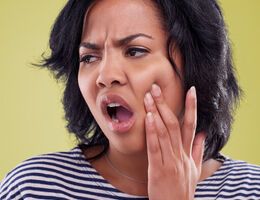
April 2, 2026—Stress is an unavoidable, normal part of life. But over time, too much stress can affect your entire body and contribute to a variety of health conditions.
You're probably familiar with many major health effects of stress, like increased blood pressure, insomnia, indigestion and headaches. But stress can trigger many other unpleasant effects that aren't as commonly known. Here are four stress effects that might surprise you.
1. Eye issues
During bouts of stress, your body releases hormones, like adrenaline and cortisol, that help you respond to a potentially dangerous situation. Chronic stress results in high levels of these hormones.
As stress hormones send "fight or flight" signals to your body, your eyes respond. For example, increased adrenaline expands your pupils, which could help you spot an incoming threat.
Over time, warns the American Academy of Ophthalmology, elevated hormone levels can cause:
- Blurry vision.
- Twitching eyelids.
- Light sensitivity.
- An increase in eye pressure—which may damage the optic nerve.
2. Graying hair
Have you ever heard of someone's hair going gray overnight because of stress? Graying may not happen that quickly, but it's true that stress contributes to it, according to the American Academy of Dermatology.
Melanin is a substance that gives your skin and hair its color. When you're stressed, the release of the hormone norepinephrine causes melanin-producing cells to leave your hair follicles. And that contributes to gray hair.
3. Cracked teeth
Grinding your teeth—a habit called bruxism—and clenching your jaw isn't uncommon, the American Dental Association (ADA) reports, but you might not even know you're doing it—especially during the day. Stress isn't the only cause, but both daytime clenching and bruxism are linked to feeling tense, pressured or worried.
Bruxism can cause cracks, chips and worn spots to appear on your teeth. Jaw clenching can lead to:
- Pain in the jaw.
- Headaches.
- Neck pain.
- Ear irritation.
According to the ADA, dentists noticed a rise in cracked teeth, jaw pain and related problems during the COVID-19 pandemic.
4. Urinary problems
Yes, chronic or acute stress can affect your bladder health too. For example, stress can compromise your immune system and increase your risk for bladder infection. It also can make you need to urinate more often-a condition called overactive bladder.
According to the National Association for Continence, researchers have found a connection between chronic stress, poor pelvic floor muscle tone and incontinence. And if you have any bladder pain or discomfort, stress can make it worse or last longer.
Stressed out?
Learning how to cope with stress can help you feel better physically and mentally. Assess how you manage stress, and find tips to lower your stress levels.
Sources
- American Academy of Dermatology. "What Causes Gray Hair, and Can I Stop It?" https://www.aad.org/public/everyday-care/hair-scalp-care/hair/gray-hair-causes.
- American Academy of Ophthalmology. "Surprising Links Between Stress and the Eyes." https://www.aao.org/eye-health/tips-prevention/anxiety-stress-dry-eye-glaucoma-iop.
- American Dental Association. "Teeth Grinding and Jaw Pain." https://www.mouthhealthy.org/all-topics-a-z/teeth-grinding.
- American Heart Association. "Understanding How Stress Affects the Body." https://www.heart.org/en/healthy-living/healthy-lifestyle/stress-management/lower-stress-how-does-stress-affect-the-body.
- National Association for Continence. "The Surprising Effects of Stress on Your Bladder." https://nafc.org/bhealth-blog/the-surprising-effects-of-stress-on-your-bladder/.